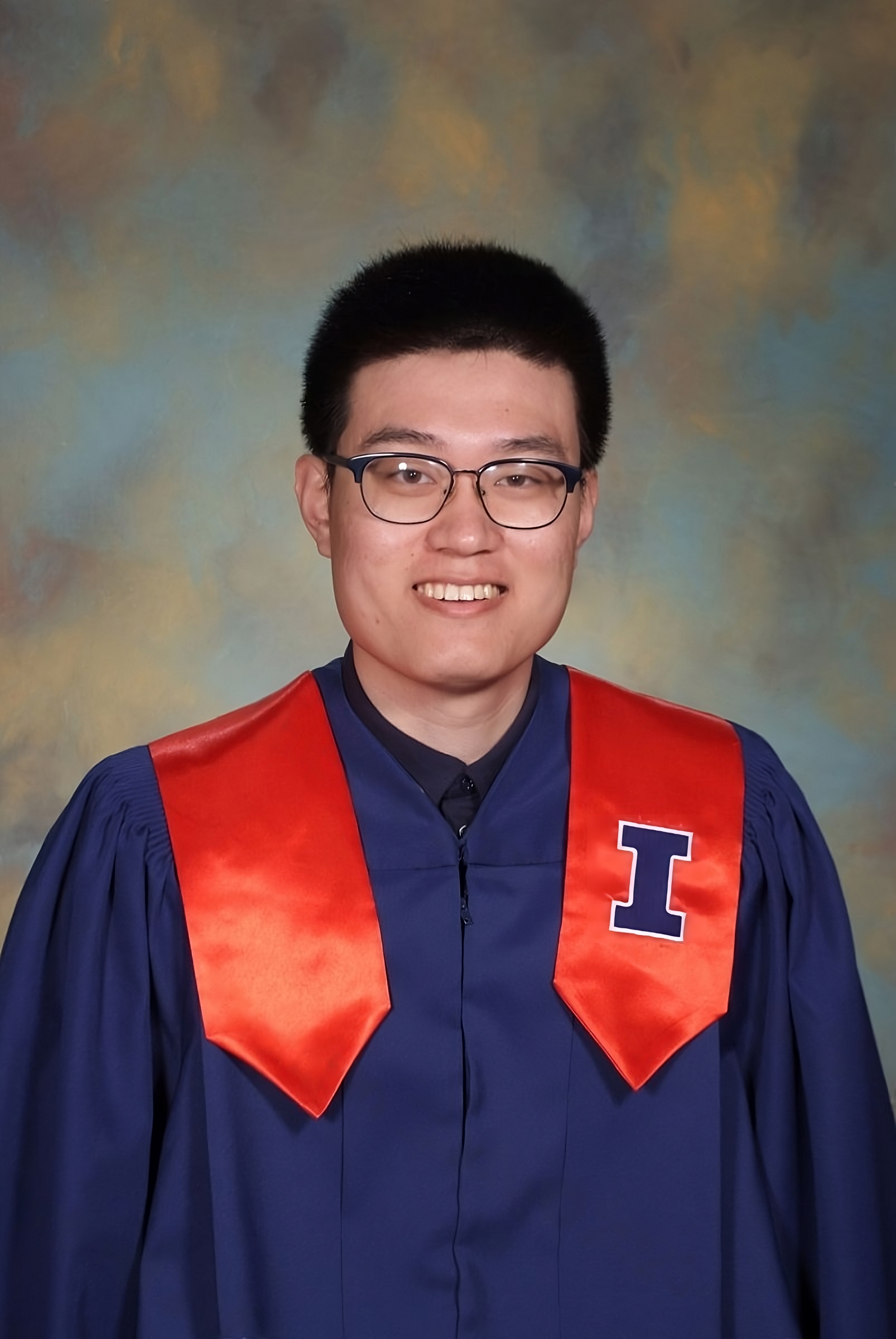
DEPEND PhD student, Yurui, received the first place award at the poster contest held by the Illinois AI and Health Summit!
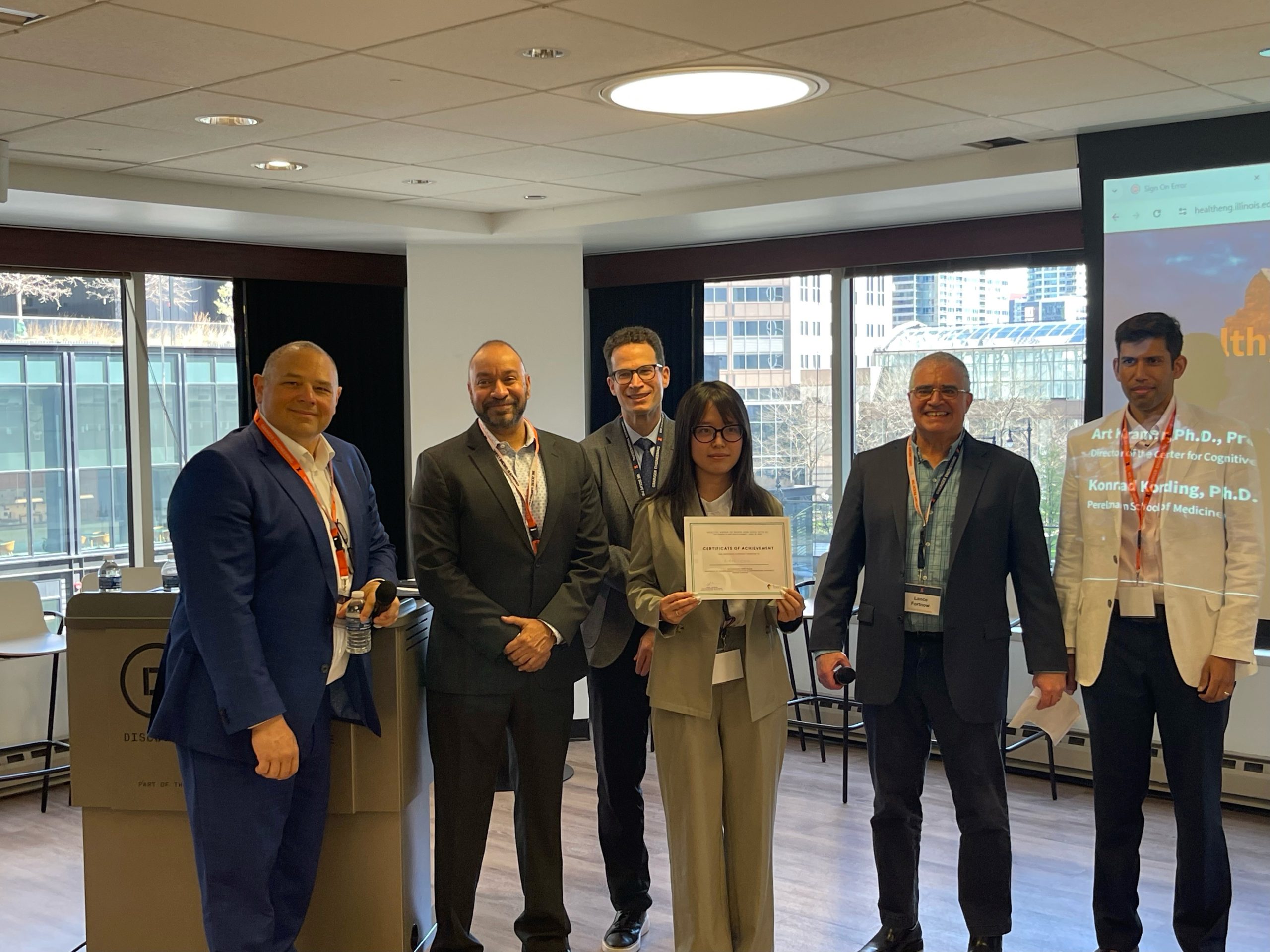
DEPEND PhD student, Yurui, received the first place award at the poster contest held by the Illinois AI and Health Summit!
The Mayo Clinic & Illinois Alliance is pleased to introduce doctoral student, Yurui Cao, as the latest recipient of the Fellowship for Technology-Based Healthcare! Yurui is working with Illinois advisor, Professor Ravi Iyer, and Mayo Clinic advisor, Dr. Gregory Worrel, to develop machine learning tools for understanding the mechanisms underlying brain stimulation and its interaction with epilepsy and behavior.
Read more about the Fellowship program here!
KubeCon is the annual conference on Kubernetes where industry and academic researchers share state-of-the art cloud-native software development and modern operations and deployment techniques.
Accurately estimating CPU & memory requirements for workloads is hard! So, it is common for users to over-provision pods, which leads to under-utilized clusters, and the need to scale up cluster size to accommodate workloads. Recently added in-place pod resize feature brings the ability to right-size over-provisioned pods without restarting them. This talk will illustrate how cluster autoscaler currently handles pods pending due to insufficient resources, then introduce a change to the autoscaling workflow that right-sizes over-provisioned pods, and show how it can help schedule pending pods more quickly while lowering costs & carbon footprint. Haoran will talk about the latest research that leverages machine learning and reinforcement learning techniques to achieve multi-dimensional autoscaling, and discuss how this cutting-edge work can help proactively scale workloads to achieve optimal cluster utilization while meeting application SLOs by more precisely provisioning the pods.
Haoran’s line of work on machine learning for resource management has been published at multiple conferences: FIRM (OSDI 2020), SIMPPO (SoCC 2022), AWARE (ATC 2023)
Link to the talk: https://sched.co/1R2nS
His research is focused on improving the realism of the CARLA simulator that’s widely used for autonomous vehicles.
Click here to view presentation!
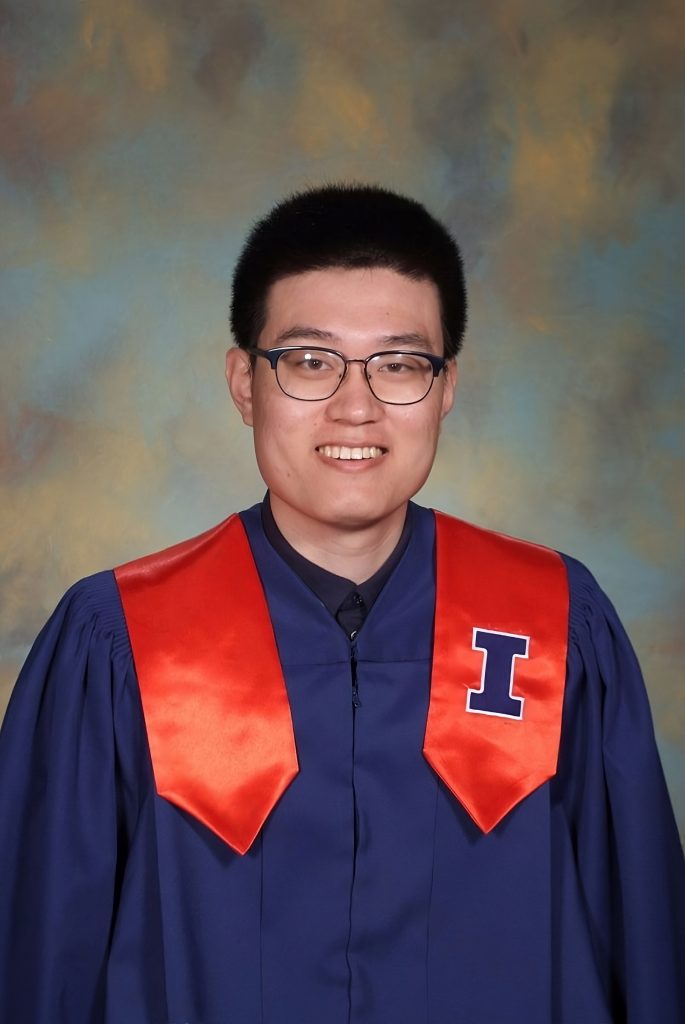
We recognize all of your hard work and wish you the best in your future endeavors!
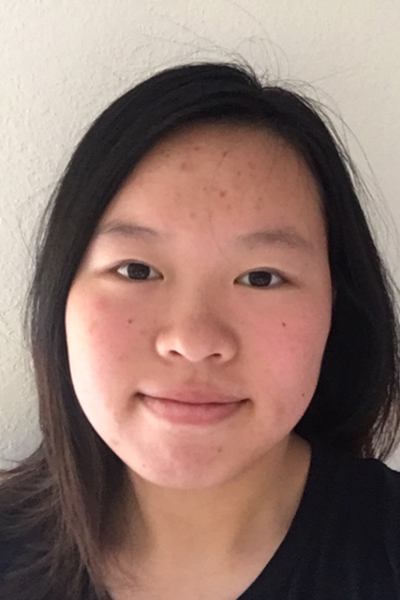
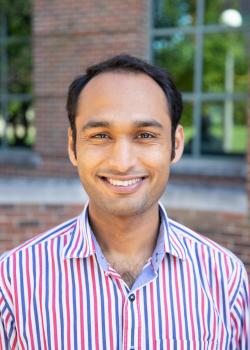
Schmidt Science Fellows is an initiative of Schmidt Futures, delivered in partnership with the Rhodes Trust. The Schmidt Science Fellows Program helps scientists solve bigger problems faster by identifying, developing, and amplifying the next generation of science leaders, building a community of scientists and supporters of interdisciplinary science, and leveraging this network to drive sector-wide change. Each year, the Schmidt Science Fellows work in partnership with around 100 of the world’s leading science and engineering institutions to identify the best, brightest, and highest potential candidates to join the Fellowship. Fellows receive a stipend of $100,000 a year for up to two years of postdoctoral research in a discipline different from their Ph.D at a world-leading lab anywhere around the globe. They will attend a Global Meeting Series and training program that introduces them to new research ideas, techniques, and questions; exposes them to a wide range of cutting-edge science, leading thinkers, and institutions; and delivers tailored training in science communication, leadership, and the facilitation of interdisciplinary research and will also receive bespoke mentoring from renowned and accomplished senior scientists.
Learn more about Saboo’s work here!
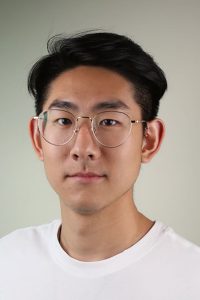
Haoran has been selected as one of the Mavis Future Faculty Fellows for the 2023-2024 academic year. This program is designed to facilitate training for the next generation of engineering professors. The three main components to the Mavis Future Faculty Fellows program are research, teaching, and mentoring.
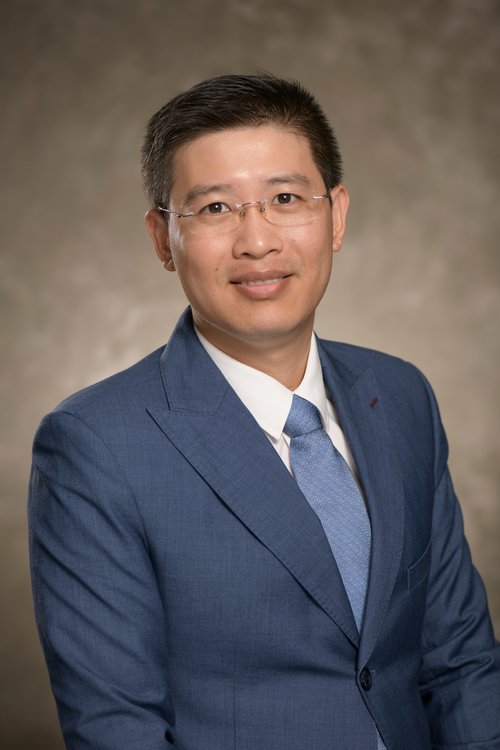
ECE alumnus Phuong Cao was recently selected as a National Science Foundation Fellow for the Trusted CI NSF Cybersecurity Center of Excellence, 2023. Phuong Cao is currently a Research Scientist in the Cybersecurity Division at the National Center for Supercomputing Applications (NCSA) at the University of Illinois Urbana-Champaign.